How to Develop a Haircare Range for Frizzy, Dry, and Difficult-to-Manage Hair

Skin Barrier First: How Brands Can Develop a Modern Barrier-Care Product Range
October 21, 2026
Introduction: Understanding the Growing Demand for Specialized Haircare
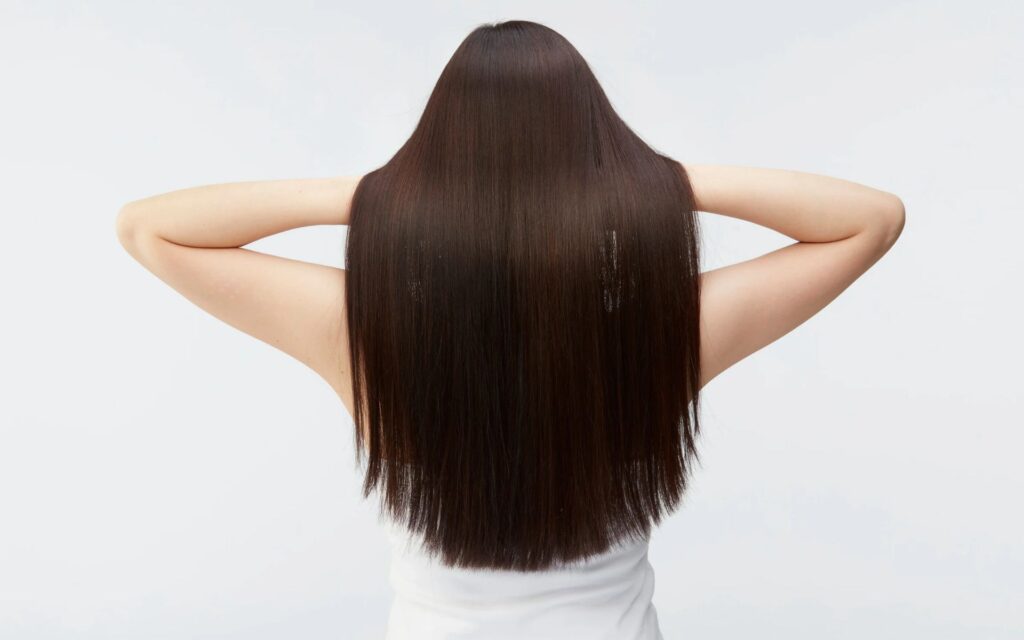
Frizzy, dry, rough, and difficult-to-manage hair is a common concern for consumers across different hair types. Humidity, heat styling, frequent washing, chemical treatments, and environmental exposure can affect hair texture, leaving strands feeling dry, tangled, or difficult to style. As consumers become more conscious of their haircare routines, the demand for targeted shampoos, conditioners, hair masks, leave-in creams, and serums continues to create opportunities for beauty brands.
For entrepreneurs and established personal-care businesses, developing a dedicated haircare range for frizzy and dry hair can be a strategic way to enter a focused market segment. Rather than launching unrelated products, brands can build a coordinated collection that addresses different stages of a haircare routine.
Successful product development requires more than selecting popular ingredients. Brands must consider hair type, formulation compatibility, product texture, fragrance, packaging, testing, pricing, and manufacturing capabilities.
Partnering with an experienced manufacturer such as Bio Atoms can help businesses explore cosmetic manufacturing and private-label product development opportunities for their proposed haircare range.
Why Frizzy and Dry Hair Creates a Haircare Product Opportunity
Hair can become difficult to manage for several reasons. Dryness may result from damage to the hair’s outer surface, repeated chemical treatments, excessive heat styling, or environmental conditions. Humidity can also contribute to frizz by affecting how hair interacts with moisture in the surrounding air.
Consumers often look for products that make their hair feel smoother, improve manageability, reduce tangling, and provide a more polished appearance. These needs create opportunities for brands to develop products that work together rather than relying on a single shampoo or serum.
A specialized haircare collection can target consumers who want a simple daily routine, people who regularly use heat-styling tools, individuals with chemically treated hair, or customers seeking professional-style haircare at home.
The key is to define the audience before selecting formulas. A lightweight range designed for fine hair may require a different conditioning balance from a richer collection intended for coarse, thick, or very dry hair.
Step 1: Identify Your Target Haircare Audience
Before beginning formulation, brands should define the consumers they want to serve. A clear audience helps guide ingredient selection, texture development, packaging, pricing, and marketing.
Dry and Rough Hair
Consumers with dry-feeling hair may prefer moisturizing shampoos, rich conditioners, and nourishing hair masks. Product development should focus on cleansing without an unnecessarily stripping feel and conditioning the hair to improve softness and manageability.
Frizzy and Humidity-Affected Hair
Frizz-focused products may be developed to improve smoothness, reduce the appearance of flyaways, and support a more controlled finish. Conditioning agents, film-forming ingredients, and suitable emollients may contribute to these product characteristics.
Chemically Treated Hair
Hair exposed to colouring, bleaching, or chemical straightening may benefit from products designed for conditioning, detangling, and reducing the feel of roughness. Brands should avoid promising complete reversal of structural damage and instead focus on supportable cosmetic benefits.
Heat-Styled Hair
Consumers who frequently blow-dry, straighten, or curl their hair may look for leave-in products designed to improve smoothness and provide heat protection. Any heat-protection claim should be supported by suitable testing of the finished formulation.
Understanding these audience segments helps a brand create a product range with a consistent purpose and a clear market position.
Step 2: Build a Complete Haircare Product Range
A coordinated collection allows consumers to select products for different steps in their routine. Brands can begin with a small core range and expand once they understand customer demand.
1. Smoothing Shampoo
The shampoo is often the starting point of a haircare routine. For dry and frizzy hair, brands can explore cleansing systems that remove excess oil and product buildup while maintaining a comfortable hair feel.
Formulators should assess cleansing performance, foam quality, rinseability, fragrance, and compatibility with conditioning ingredients. The finished product should clean effectively without leaving the hair feeling excessively rough.
A smoothing shampoo can become the entry-level product in the range, helping customers discover the brand before exploring additional treatments.
2. Nourishing Conditioner
Conditioner is a central product for consumers who struggle with tangling, roughness, and frizz. Conditioning ingredients can help improve slip, reduce friction during combing, and make hair easier to manage.
The formulation should suit the target hair type. Fine hair may need a lighter conditioner, while thick or coarse hair may benefit from a richer texture.
Brands should evaluate wet-combing performance, ease of rinsing, residue, softness, and how the hair feels after drying. These sensory characteristics can play an important role in customer satisfaction.
3. Deep Conditioning Hair Mask
A hair mask can provide a more intensive conditioning experience than a regular rinse-off conditioner, depending on its formulation.
Brands may develop masks for weekly use, targeting consumers who want smoother-feeling, softer, and more manageable hair. Formulation options may include selected emollients, conditioning agents, fatty alcohols, and other ingredients suitable for the intended product.
The product should have an appropriate consistency, spread easily through the hair, and rinse out without leaving an undesirable residue.
4. Leave-In Conditioner or Smoothing Cream
Leave-in products offer an opportunity to extend the routine beyond washing. A leave-in conditioner or smoothing cream can help with detangling, manageability, and the appearance of frizz.
The texture should match the intended audience. A lightweight spray or lotion may suit fine hair, whereas a richer cream may appeal to consumers with thicker, curlier, or drier hair.
Brands should evaluate whether the formula leaves the hair sticky, heavy, greasy, or visibly coated. These details can influence whether customers use the product consistently.
5. Anti-Frizz Hair Serum
Hair serums are popular because they can be applied in small quantities and fit easily into a styling routine. Depending on the formulation, a serum may help improve shine, smoothness, and the appearance of flyaways.
Silicone-based systems and selected lightweight emollients may be considered for their sensory and surface-conditioning characteristics. The best approach depends on the desired finish, ingredient preferences, and target price.
The formula should distribute evenly and avoid making the hair look oily when used according to directions.
6. Pre-Wash Treatment or Hair Oil
A pre-wash treatment can complement a smoothing range by offering another application format. Brands may explore oil-based blends or other treatment formats designed to condition the hair before cleansing.
The choice of oils, emollients, fragrance, and viscosity should align with the intended consumer experience. Marketing claims should distinguish cosmetic conditioning from medical or biological hair-growth claims.
Step 3: Select Ingredients Based on Product Function
Ingredient selection should be guided by the product’s purpose rather than trends alone. A successful formulation combines suitable ingredients in a stable system at appropriate levels.
Conditioning Agents
Conditioning agents help improve hair feel, detangling, and manageability. They are particularly important in conditioners, masks, and leave-in products.
Formulators should choose materials suitable for the intended product format and evaluate their compatibility with the other ingredients.
Silicones and Alternative Smoothing Ingredients
Certain silicones are used in haircare products to improve slip, shine, and smoothness. Depending on the product brief, brands may also explore alternative emollients or film-forming ingredients.
The decision should consider performance, sensory experience, cost, consumer preferences, and relevant formulation requirements. A silicone-free product still requires a carefully designed conditioning system to achieve its intended finish.
Humectants
Humectants such as glycerin and selected other moisture-attracting ingredients may be used in haircare formulations. Their effect depends on the overall formula and environmental conditions.
In humid climates, the balance of humectants, conditioning agents, and film-forming ingredients may be particularly important when developing products positioned for frizz management.
Plant Oils and Emollients
Ingredients such as argan oil, coconut oil, and other suitable emollients can contribute to conditioning and improve the feel of hair. Their performance depends on concentration, formulation type, and the hair’s characteristics.
Adding more oil does not automatically make a product better. Excessive richness can weigh down fine hair or create an oily finish, so the formulation should be tested on the intended audience.
Proteins and Protein-Derived Ingredients
Hydrolyzed proteins and related ingredients may be incorporated into some haircare formulas to support conditioning and improve the cosmetic feel of damaged or rough hair.
Their suitability depends on the product format, concentration, and compatibility with other ingredients. Product descriptions should avoid implying that cosmetic protein ingredients permanently repair all forms of hair damage.
Step 4: Choose the Right Formulation and Texture
Texture can be a major differentiator in a competitive haircare market. Two products with similar positioning may deliver very different user experiences because of their consistency, spreadability, rinseability, and finish.
For example, a lightweight conditioner may suit everyday use, while a dense mask may be designed for occasional application. A serum should spread easily through the hair, whereas a leave-in cream needs enough conditioning performance without becoming difficult to distribute.
During development, brands should evaluate the product on relevant hair types and consider both immediate and repeated-use experiences. Testing can help identify whether the formula leaves hair soft, manageable, overly coated, or difficult to style.
Fragrance also deserves attention. It can influence the perceived quality of the product, but the selection should align with the brand’s target audience and ingredient preferences.
Step 5: Decide Between Private Label and Custom Formulation
Brands can generally explore existing formulations or invest in a customized development process, depending on their goals and the services offered by their manufacturer.
Private-Label Haircare Manufacturing
Private-label manufacturing can provide a route to market using existing formulations that may be available for branding and agreed customization.
This approach may suit businesses that want to develop a focused product collection without creating every formula from the beginning. Available changes to fragrance, texture, packaging, and other specifications vary by manufacturer.
Brands should confirm minimum order quantities, customization options, testing documentation, production schedules, and total costs before committing.
Custom Haircare Formulation
Custom formulation allows brands to develop products around a more specific product brief. This may involve a particular texture, ingredient combination, fragrance profile, packaging format, or target hair type.
The process may require additional development time, evaluation, testing, and investment. However, it can offer more opportunities to differentiate the collection from competing products.
The best route depends on the brand’s budget, launch timeline, market positioning, and desired level of product uniqueness.
Step 6: Work With a Suitable Haircare Manufacturer
A manufacturing partner plays an important role in translating a brand concept into finished products. Businesses should evaluate a manufacturer’s formulation capabilities, production processes, quality systems, packaging options, documentation, and communication.
Before starting a project, prepare a clear product brief that includes:
- Target audience and hair concerns.
- Proposed products and formats.
- Preferred ingredients or ingredient exclusions.
- Desired texture, fragrance, and finish.
- Packaging type and approximate pack size.
- Target selling price and production budget.
- Expected launch schedule and order quantities.
This information helps the manufacturer assess feasibility and discuss realistic options.
Bio Atoms is a potential partner for businesses exploring cosmetic manufacturing and private-label product development. Brands can discuss their proposed shampoo, conditioner, hair mask, serum, and other haircare concepts to understand available services and requirements.
Step 7: Evaluate Quality, Stability, and Packaging
A product should not move into large-scale production simply because the initial sample looks appealing. The finished formulation must undergo appropriate evaluation based on its ingredients, format, intended use, and applicable requirements.
Stability Testing
Stability testing helps assess how a formula behaves under defined conditions over time. Evaluation may include changes in colour, fragrance, viscosity, appearance, pH, and other relevant characteristics.
Packaging Compatibility
Packaging should protect product quality as appropriate and work well with the formula. Shampoos and conditioners may use bottles or tubes, while serums may require pumps or other dispensing systems suited to their viscosity.
The package should be convenient to use, compatible with the formulation, and aligned with the brand’s price point.
Microbiological Quality
Water-based haircare products require appropriate attention to microbiological quality and preservation. Testing requirements depend on the product and relevant standards.
Brands should clarify which tests are required, who will perform them, and what documentation will be supplied before commercial production.
Step 8: Create a Clear Brand Positioning Strategy
A strong product range needs a clear identity. Instead of describing every product as suitable for everyone, brands should communicate the specific role each item plays in the routine.
For example, a range could focus on smoothness and manageability for dry, frizz-prone hair. Another could emphasize lightweight conditioning for consumers who dislike heavy products.
Packaging, product names, colour palettes, and descriptions should reinforce the same message. Clear instructions can explain whether a product is rinse-off or leave-in, how much to apply, and how often to use it.
Brands should ensure that advertising claims are accurate, supported by suitable evidence, and consistent with applicable cosmetic regulations. Avoid guaranteeing permanent frizz removal or promising to reverse all hair damage.
Step 9: Build an SEO Strategy for Your Haircare Brand
Search engine optimization can help consumers and business buyers discover a haircare brand. A useful content strategy should address both consumer questions and manufacturing-related searches.
Potential keywords include:
- Haircare products for frizzy hair
- Shampoo and conditioner for dry hair
- Anti-frizz hair serum manufacturer
- Private-label haircare manufacturer in India
- Custom haircare formulation
- Hair mask manufacturing
- Contract haircare manufacturing in India
- Hair smoothing product development
Create educational articles about haircare routines, choosing conditioners, comparing hair serums and creams, and selecting products for different hair types. For business audiences, publish content about private-label manufacturing, formulation development, packaging selection, and quality evaluation.
Use keywords naturally in headings, meta descriptions, product pages, and supporting blogs. Link relevant educational articles to your manufacturing or product pages so interested readers can take the next step.
Common Mistakes to Avoid
One frequent mistake is launching too many products before validating demand. A focused collection of shampoo, conditioner, and serum may be a more manageable starting point than a large portfolio with overlapping functions.
Another mistake is choosing ingredients based only on popularity. Ingredient compatibility, stability, performance, cost, and the intended user experience should guide formulation decisions.
Brands should also avoid ignoring packaging, testing, and production costs. These factors affect the final product and can influence launch timelines.
Finally, do not make unsupported claims about permanent repair, guaranteed hair growth, or universal suitability. Clear and realistic product positioning can help build trust over time.
Conclusion: Build a Haircare Range Around Manageability and Performance
Developing a haircare range for frizzy, dry, and difficult-to-manage hair begins with understanding the target audience and the specific results consumers expect from their routine. A coordinated collection can include smoothing shampoo, nourishing conditioner, deep conditioning mask, leave-in cream, anti-frizz serum, and a complementary pre-wash treatment.
The most effective development process combines thoughtful ingredient selection, appropriate textures, quality evaluation, packaging compatibility, and a clear brand strategy. Whether a business chooses private-label manufacturing or custom formulation, the product brief should remain focused on practical consumer needs and realistic cosmetic benefits.
With the right planning and manufacturing support, brands can develop a distinctive haircare portfolio designed around smoothness, softness, shine, and everyday manageability.
To explore cosmetic manufacturing and private-label product development opportunities, visit Bio Atoms and discuss your haircare product concept, formulation preferences, and packaging requirements.